"Nhu Designs: More Than Fashion, A Movement"
From Trash to Trend: How Upcycled Fashion Is Changing the World

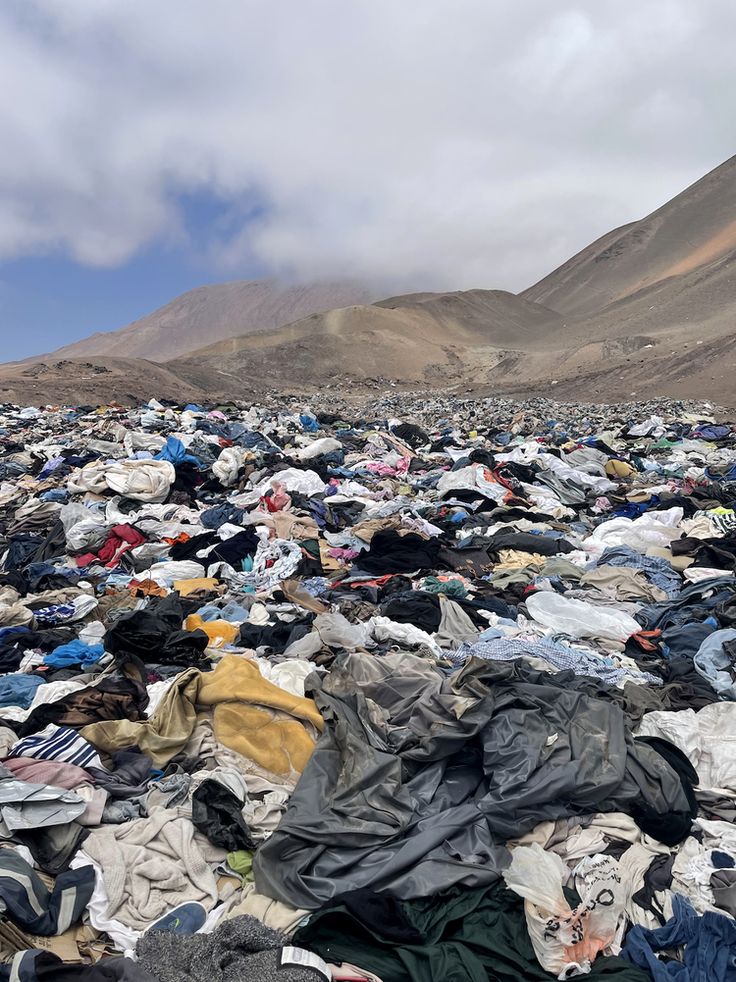
Fashion slays the runway, but behind the scenes, it’s a different story. The fashion industry accounts for approximately 10% of global carbon emissions. Approximately 93 billion cubic meters of water are consumed annually by the fashion industry. Approximately 92 million tonnes of textile waste are generated globally every year. Over 60% of clothing in many fast-fashion brands is made from synthetic (plastic-based) fibers. These materials shed microfibres/microplastics when washed, contributing to marine pollution.

Fast fashion is now a 0.82 billion industry, and it has grown by 10.74% from 2024 and is further estimated to reach 1.1 billion by 2032.

The big players of the fast fashion industry are Shein (market share 50%), H&M (market share 16%), Zara (13%), Fashion Nova (11%), Forever 21 (6%), and the other 4%.

Why These Problems Arise
  • Low cost, low quality: Fast fashion depends on low-quality production, cheap materials, and manufacturing new trends, possibly every week. This encourages buying more, wearing less, and discarding quickly.
  • Use of synthetic fibers (like polyester, nylon), which are cheap and durable, but not biodegradable, and problematic in washing and disposal.
  • High water, chemical, and energy use in manufacturing, such as growing cotton, dyeing, and finishing.
  • Globalized supply chains and transportation add greenhouse emissions, especially when items are shipped far.
  • Low recycling rates: Technology, infrastructure, cost, mixed materials, etc., make it difficult to recycle textile waste effectively. Less than 1% of clothes are recycled to make new clothes.

Millions of tons of clothes end up in landfills each year, and synthetic fabrics release microplastics into oceans. The fashion industry is now among the world’s top polluters—but upcycled fashion is changing this story.

What Is Upcycled Fashion?

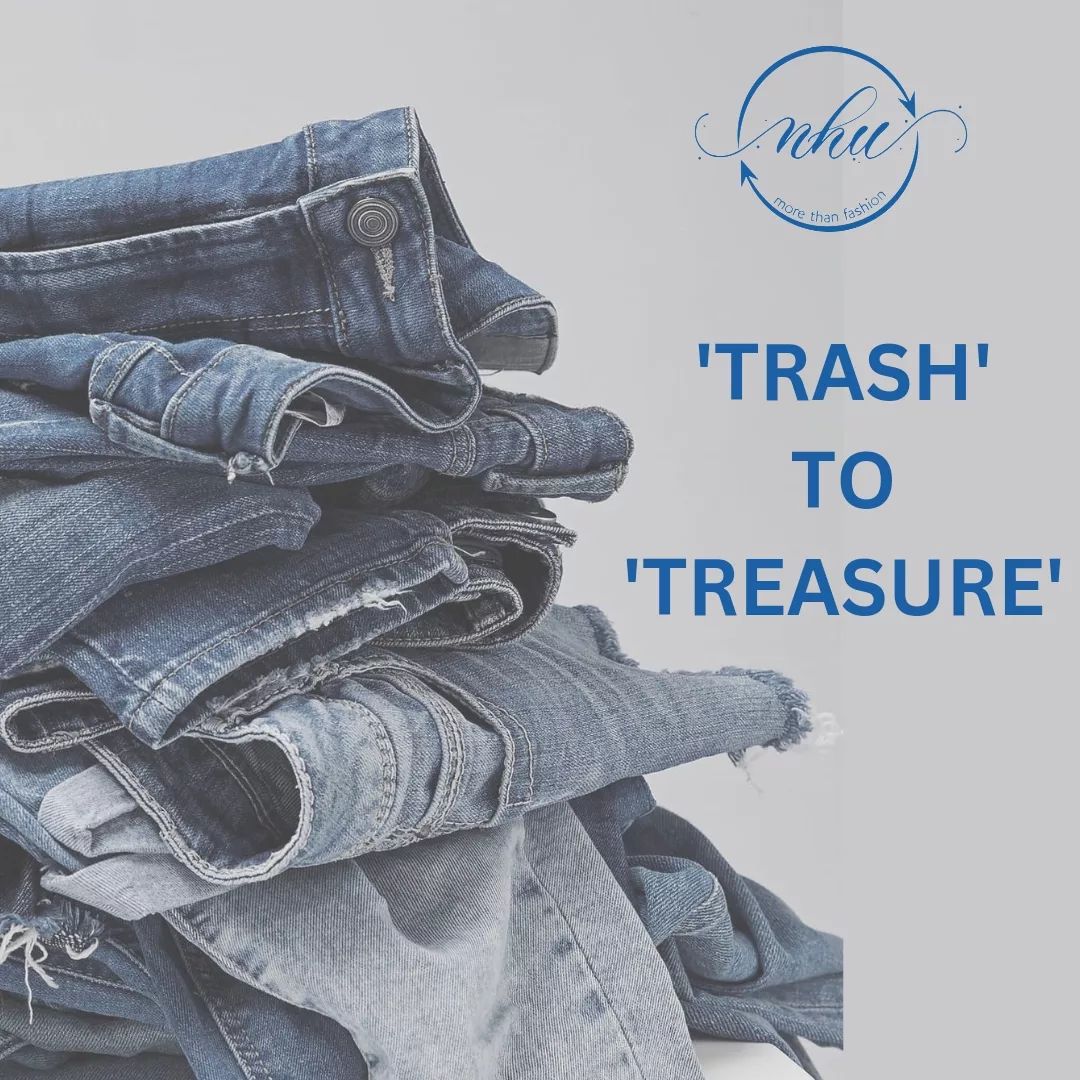
Upcycling means transforming old or discarded materials into something of higher value. Unlike recycling, which often breaks materials down, upcycling keeps fabrics intact while turning them into trendy new pieces. Think old jeans into stylish tote bags or factory scraps into unique jackets.

Why Upcycling Matters??
Environmental Benefits
  • Reduced Landfill Waste: Upcycling diverts textile waste from landfills, where millions of tons end up annually.
  • Lower Carbon Footprint: Bypassing the energy-intensive process of manufacturing new textiles significantly reduces a garment's carbon footprint.
  • Conserved Resources: It reduces the demand for virgin materials, conserving water, energy, and natural resources like cotton and fossil fuels.
  • Decreased Pollution: Upcycling avoids the chemical processes involved in creating new textiles, thereby reducing air and water pollution.
Economic & Social Benefits
  • Cost Savings: For consumers, upcycling can be a budget-friendly alternative to buying new items.
  • Support for Local Businesses: The practice supports small, local businesses and contributes to local economies.
  • New Economic Opportunities: It creates unique economic opportunities for individuals and small businesses to innovate and thrive.
Personal & Creative Benefits
  • Unique & Personalized Style: the creation of one-of-a-kind fashion pieces, giving you unique items via a creative upcycling process.
  • Encourages Creativity: It provides a creative pathway for people to experiment, repurpose old items, and express their individuality.
  • Promotes Sustainable Habits: It fosters greater consumer awareness and encourages a shift towards more sustainable and mindful consumption practices.

These brands prove fashion can be eco-friendly, stylish, and ethical.

  • Patagonia:
  • RE/DONE
  • Christy Dawn
  • MUD Jeans
  • Zero Waste Daniel
How You Can Join the Movement
  • Shop from sustainable fashion brands
  • Swap or thrift clothes instead of buying new ones
  • Support brands that reduce fashion pollution
  • Follow the 5 R's of upcycling fashion

Reduce, Reuse, Recycle/upcycle, Repair, and Rethink/Resell

From trash to trend, it shows fashion can be creative, ethical, and sustainable all at once. The future of fashion isn’t fast; it’s conscious, circular, and eco-friendly.  

Upcycled fashion is more than a trend—it’s a movement toward a cleaner planet.

Small choices lead to big change.

Nari Narwhal Usb...

$44.00$250.00
See all feature

Typi non habent claritatem insitam, est usus legentis in iis qui facit eorum claritatem. Investigationes demonstraverunt lectores legere me lius quod ii legunt saepius. Claritas est etiam processus A Capitalize on low hanging fruit to identify a ballpark value added activity to beta test. Override the digital...ditional clickthroughs from DevOps. Nanotechnology immersion along the information highway will close the […]

  • – Light green crewnec...t.
  • – Hand pockets.
  • – Relaxed fit.

Get Our Email Letter

Subscribe to the Nhu Design mailing list to receive updates on new arrivals, special offers and other discount information.