Get Our Email Letter
Subscribe to the Nhu Design mailing list to receive updates on new arrivals, special offers and other discount information.
.png)
For generations, people lived in harmony with nature. Resources were used carefully, items were repaired and reused, and very little went to waste. Today, however, our modern lifestyle has created a very different reality. Rapid industrial growth, overconsumption, and a throwaway culture have placed enormous pressure on our planet.
We are witnessing the consequences everywhere—rising temperatures, polluted rivers, shrinking forests, and increasing waste. One industry that plays a major role in this environmental challenge is fashion.
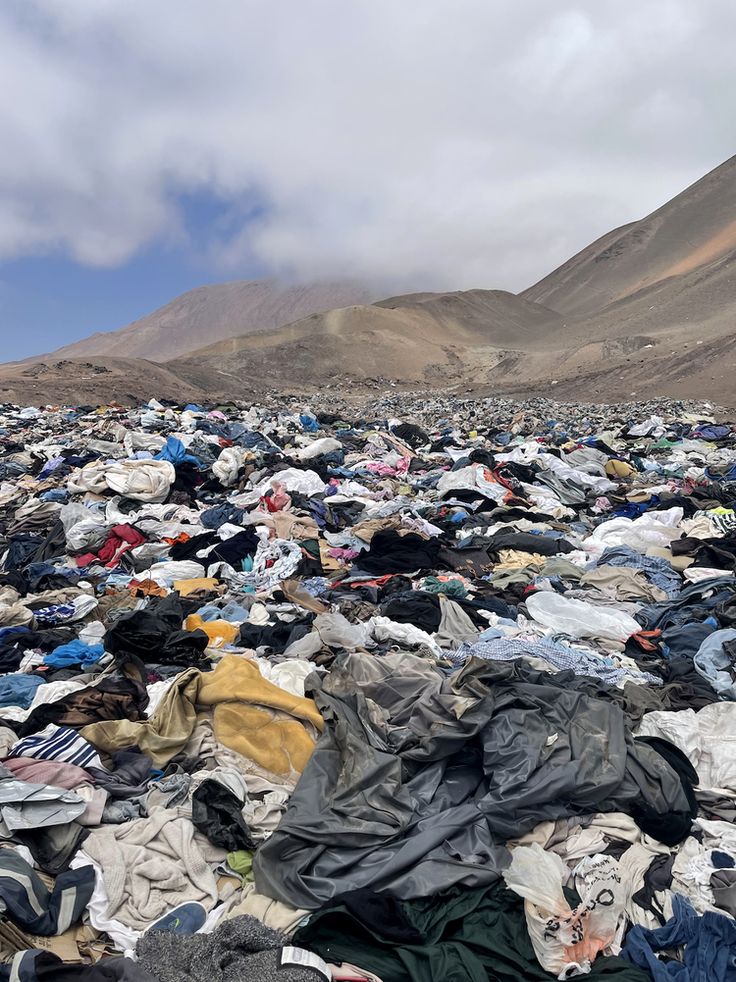
The rise of fast fashion has transformed the way we produce and consume clothing. Garments are made quickly, sold cheaply, worn for a short time, and then discarded. As a result, millions of tons of textile waste end up in landfills every year. Synthetic fabrics release microplastics, chemical dyes contaminate water systems, and valuable materials are lost instead of being reused.
Working in the field of sustainable fashion in Nepal, I see this challenge very closely. But I also see the opportunity to change how we think about clothing, consumption, and waste.
Sustainable living is not about completely changing your lifestyle overnight. It simply means making more mindful choices—reducing waste, reusing what we already have, supporting ethical and local brands, and choosing products that last longer.
Even small actions can create meaningful change.
One of the easiest way to pratice sustinable living is by reducing everyday waste. Carry a cloth tote bag,use resuable water bottel,and avoid single-use plastics whenever possible. Chossing product with minimal packaging also helps reduce unnecessary waste.
The clothes we were have bigger environmental impact than we often realize. Instead of buying frequently , focus on quality over quantity. Support slow fashion brands, upcycled products, and ethical fashion inititatives that are working to reduce fashion waste. Reparing ,swapping,or upcycling old clothes can also extend the life of garments.
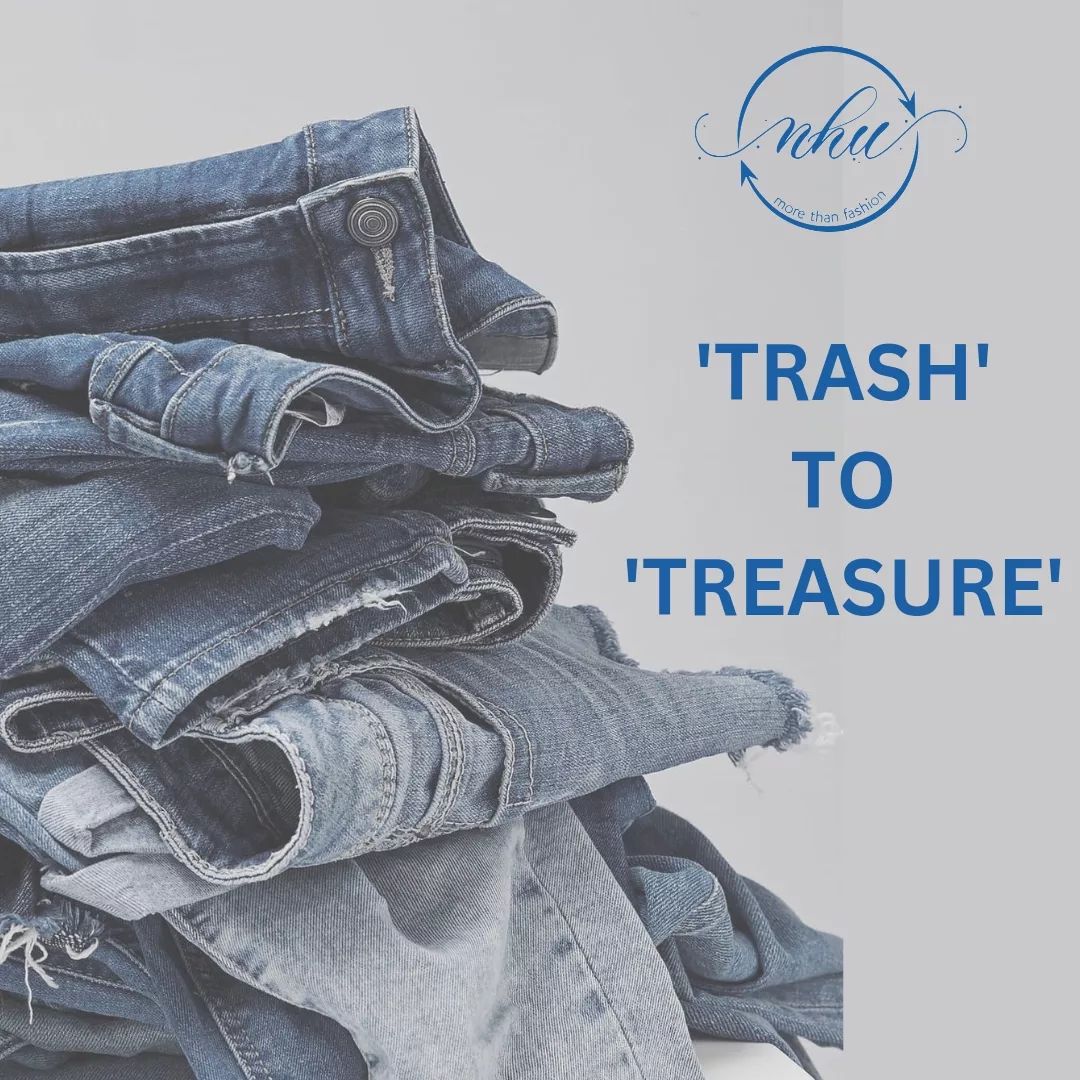
Many items we discarded still have value. Glass jars, fabric scraps, old jeans, and pacakaging materials can all be resued or upcycled into useful product. Separating dry and wet waste at home and donating items you no longer need are small habits that support a circular economy.
Energy and water conservation are also important parts of eco-friendly lifestyle .Switiching off light when not in use , using LED bulbs , choosing energy-efficient appliances , and reducing water waste are simple yet effective steps that help lower environmental impact.
Our food choices also effect the environment. Eating seasonal and locally grown food , reducing food waste, and composting kitchen scarps are simple pratice that support a more sustainable lifestyle.
A growing movement around the world is focusing on cicrular fashion , where clothing and material are reused, repaired,and recycled instead of being thrown away. Support local sustaniable brands, upcycling initatives, and fashion waste reduction project helps build a more responsible fashion industry.








Typi non habent claritatem insitam, est usus legentis in iis qui facit eorum claritatem. Investigationes demonstraverunt lectores legere me lius quod ii legunt saepius. Claritas est etiam processus A Capitalize on low hanging fruit to identify a ballpark value added activity to beta test. Override the digital...ditional clickthroughs from DevOps. Nanotechnology immersion along the information highway will close the […]
Subscribe to the Nhu Design mailing list to receive updates on new arrivals, special offers and other discount information.